
Extradition Process

Overview of Extradition
Extradition is the formal process by which one country transfers a person to another country to face trial or punishment for a crime. It is based on the principle of international cooperation and mutual assistance in combating crime. For those facing extradition, it is essential to have a solid understanding of the process and to seek the advice of experienced criminal defense lawyers in Dubai who can provide guidance on the best course of action. Extradition is typically governed by treaties and agreements between countries, which outline the procedures and requirements for extradition. These treaties and agreements may be bilateral, meaning they are between two specific countries, or multilateral, meaning they are between multiple countries.
Requirements for Extradition
There are several requirements that must be met before a person can be extradited from one country to another. These requirements may vary depending on the specific treaty or agreement between the countries, but they typically include: * The person must be a fugitive from justice, meaning they have fled from one country to another to avoid prosecution or punishment. * The crime for which the person is being extradited must be a crime in both the country where the person is located and the country requesting extradition. * The person must have been charged with or convicted of the crime, or there must be sufficient evidence to justify their arrest and extradition. * The extradition request must be made in accordance with the procedures outlined in the treaty or agreement between the countries.
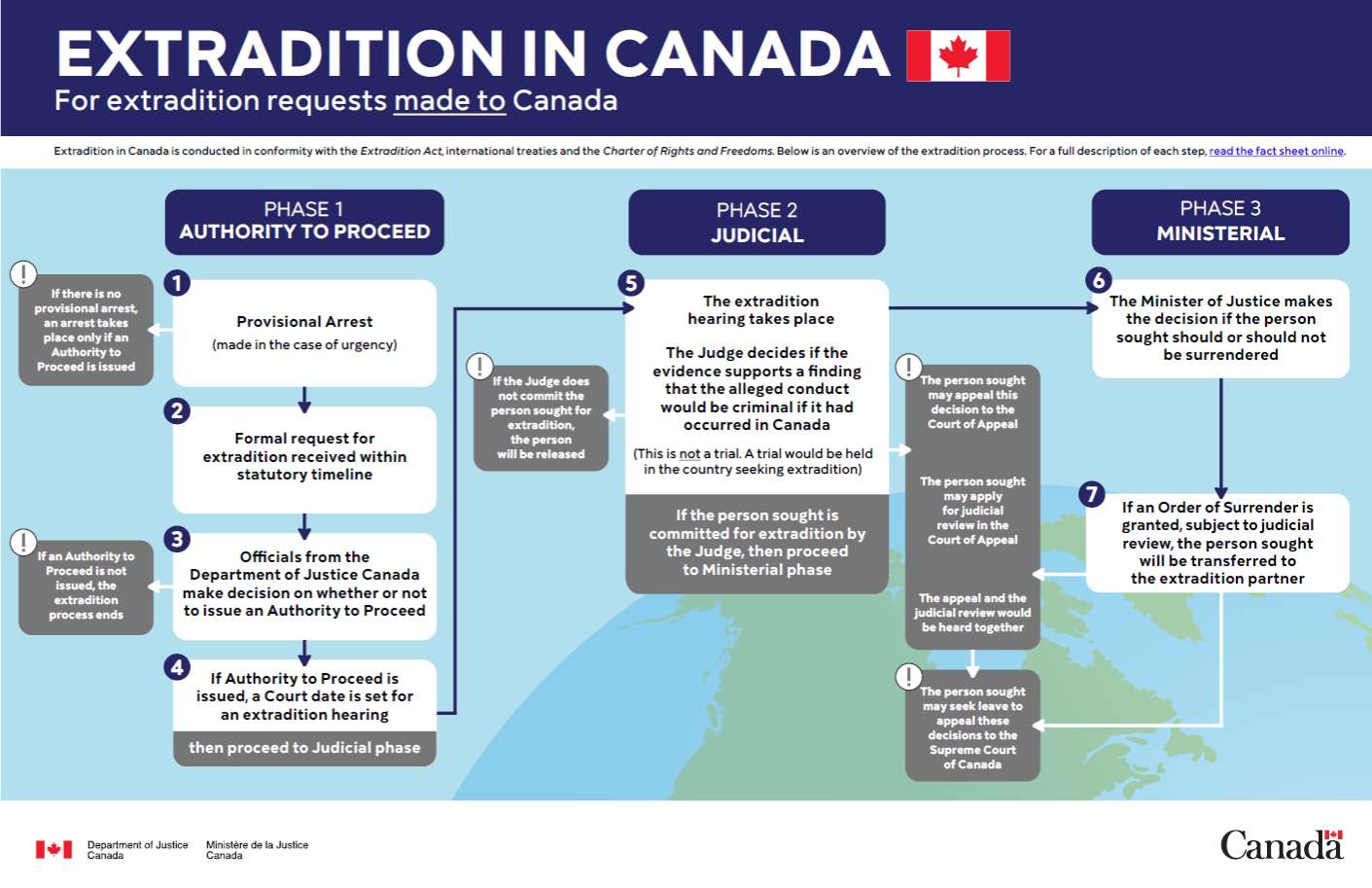
Extradition Procedures
The extradition procedures typically involve the following steps:
Initial Request
The country seeking extradition, known as the requesting country, makes an initial request to the country where the person is located, known as the requested country. The request must include information about the person, the crime, and the evidence supporting the extradition request.
Review and Verification
The requested country reviews and verifies the extradition request to ensure that it meets the requirements outlined in the treaty or agreement. This may involve checking the identity of the person, the validity of the arrest warrant, and the sufficiency of the evidence.
Arrest and Detention
If the extradition request is deemed valid, the requested country arrests and detains the person pending extradition. The person may be entitled to certain rights and protections, such as the right to counsel and the right to challenge the extradition request.
Extradition Hearing
The person may be entitled to an extradition hearing, where they can challenge the extradition request and present evidence in their defense. The hearing is typically conducted by a court or other judicial authority in the requested country.
Challenges and Controversies
The extradition process can be complex and challenging, and there are several controversies and challenges that may arise. These may include: * Human rights concerns, such as the risk of torture or mistreatment in the requesting country. * Political considerations, such as the potential for extradition to be used as a political tool. * Jurisdictional issues, such as disputes over which country has jurisdiction to try the person. * Delay and inefficiency, such as delays in the extradition process or inefficiencies in the procedures.
International Cooperation
International cooperation is essential for the extradition process to work effectively. Countries must work together to share information, coordinate efforts, and ensure that the extradition process is fair and efficient. This may involve cooperation between law enforcement agencies, judicial authorities, and other government agencies. International cooperation can also help to prevent abuse of the extradition process and ensure that human rights are protected. Understand your rights with insights from Dubai criminal defense experts at https://www.extraditioninterpoluae.com/blog/legal-strategies/criminal-defense-lawyers-in-dubai.
Case Studies
There have been several high-profile extradition cases in recent years, involving countries such as the United States, Canada, and the United Kingdom. These cases have highlighted the complexities and challenges of the extradition process, as well as the need for international cooperation and coordination. For example, the extradition of WikiLeaks founder Julian Assange from the United Kingdom to the United States has been the subject of controversy and debate, with concerns raised about human rights and the potential for political interference.
Conclusion
In conclusion, the extradition process is a complex and highly regulated procedure that allows one country to transfer a person to another country to face trial or punishment for a crime. While the process can be challenging and controversial, it is an essential tool for international cooperation in combating crime and ensuring that fugitives do not escape justice. By understanding the requirements, procedures, and challenges involved in the extradition process, we can better appreciate the importance of international cooperation and the need for fair and efficient procedures.
FAQs
What is extradition?
Extradition is the formal process by which one country transfers a person to another country to face trial or punishment for a crime.
What are the requirements for extradition?
The requirements for extradition typically include that the person must be a fugitive from justice, the crime must be a crime in both countries, and there must be sufficient evidence to justify the extradition request.
Can a person challenge an extradition request?
Yes, a person may be entitled to challenge an extradition request and present evidence in their defense at an extradition hearing.
How long does the extradition process typically take?
The length of the extradition process can vary depending on the specific circumstances of the case, but it can take several months or even years to complete.
What are some of the challenges and controversies surrounding extradition?
Some of the challenges and controversies surrounding extradition include human rights concerns, political considerations, jurisdictional issues, and delay and inefficiency in the procedures.