
Transnational Crime

Definition and Scope
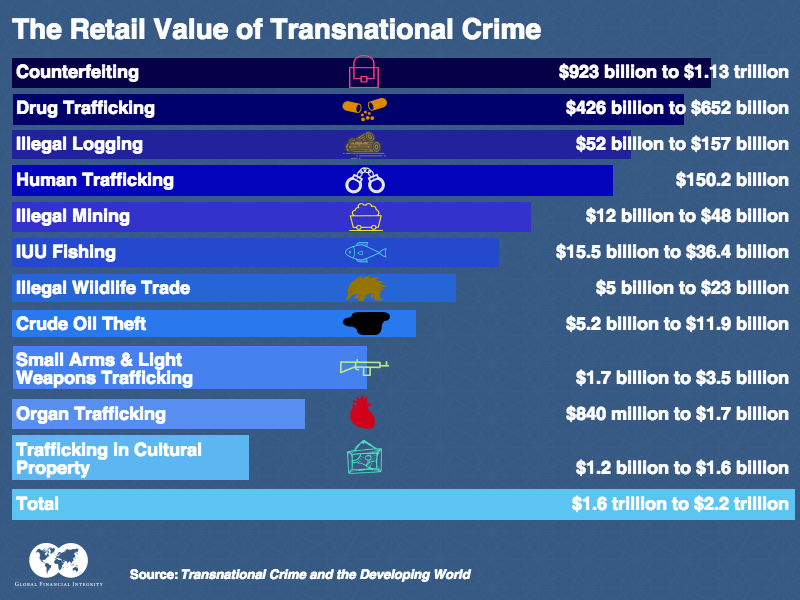
Transnational crime encompasses a broad range of criminal activities that are not limited by national borders. These crimes often involve the coordination and cooperation of individuals and groups from multiple countries, utilizing sophisticated networks and technologies to carry out their operations. The scope of transnational crime includes, but is not limited to, human trafficking, where individuals are exploited for labor or sexual purposes; drug trafficking, which involves the production, transportation, and distribution of illicit drugs; arms trafficking, the illegal trade in weapons; money laundering, the process of making illegally gained proceeds appear legal; and terrorism, which involves the use of violence and intimidation to achieve political, ideological, or religious goals.
Types of Transnational Crime
Human Trafficking
Human trafficking is a form of modern-day slavery where individuals are forced, coerced, or deceived into labor or sexual exploitation. This crime is particularly egregious, as it involves the exploitation and abuse of vulnerable individuals, often women and children. Human trafficking can occur within a country's borders (internal trafficking) or across international borders (transnational trafficking). The trafficking process typically involves recruitment, transportation, and exploitation, with traffickers using various tactics, including violence, threats, and deception, to control their victims. Those accused of such crimes may face extradition proceedings and severe penalties, highlighting the need for international cooperation to combat this issue.
Drug Trafficking
Drug trafficking is another significant form of transnational crime, involving the cultivation, production, distribution, and sale of illegal drugs. This crime is driven by the demand for illicit drugs in consumer countries and the economic incentives for producers and traffickers. Drug trafficking organizations often use sophisticated methods to evade law enforcement, including the use of encrypted communication, clandestine laboratories, and complex financial transactions. The impact of drug trafficking extends beyond the health and social problems associated with drug abuse, as it also contributes to violence, corruption, and instability in producer and transit countries.
Causes and Factors
The causes and factors contributing to transnational crime are complex and multifaceted. Globalization and technological advancements have created new opportunities for criminal organizations to operate across borders, exploiting weaknesses in international law enforcement and judicial systems. Economic disparities and poverty in some regions drive individuals to engage in criminal activities as a means of survival or to improve their economic circumstances. Corruption within governments and institutions also facilitates transnational crime, as corrupt officials can provide criminal organizations with the protection and assistance they need to operate.
Impact and Consequences
The impact and consequences of transnational crime are far-reaching and devastating. These crimes undermine the rule of law, destabilize economies, and threaten global security. The human cost is also significant, with victims of human trafficking, drug abuse, and other transnational crimes suffering physical and psychological harm. Furthermore, the corruption and violence associated with transnational crime can destabilize entire regions, contributing to political instability and conflict.
International Response
The international community has recognized the need for a coordinated response to transnational crime. This includes the development of international laws and treaties, such as the United Nations Convention against Transnational Organized Crime, which provides a framework for cooperation among countries in preventing, investigating, and prosecuting transnational crimes. International cooperation also involves the sharing of intelligence, joint investigations, and the extradition of criminals. Additionally, many countries have established specialized law enforcement agencies and units dedicated to combating transnational crime. Explore legal support for extradition and Interpol cases at https://www.extraditioninterpoluae.com
Challenges and Future Directions
Despite the efforts of the international community, combating transnational crime remains a significant challenge. The evolving nature of these crimes, driven by technological advancements and the adaptability of criminal organizations, requires law enforcement agencies to be innovative and proactive in their responses. Building capacity in weaker jurisdictions, enhancing international cooperation, and addressing the root causes of transnational crime, such as poverty and corruption, are critical to making progress in this area. Furthermore, raising awareness and engaging civil society in the fight against transnational crime can mobilize additional resources and support for anti-crime efforts.
Conclusion
Transnational crime poses a formidable challenge to global security, stability, and prosperity. The complexity and scope of these crimes demand a comprehensive and coordinated international response. By understanding the definition, scope, types, causes, and consequences of transnational crime, as well as the challenges and future directions in combating it, we can better equip ourselves to address this critical issue. It is through sustained international cooperation, innovation, and commitment that we can hope to mitigate the impact of transnational crime and create a safer, more just world.
FAQs
What is transnational crime?
Transnational crime refers to criminal activities that cross national borders, posing a significant threat to global security, stability, and prosperity.
How does human trafficking occur?
Human trafficking occurs through the recruitment, transportation, and exploitation of individuals, often using violence, threats, and deception to control victims.
What are the main types of transnational crime?
The main types of transnational crime include human trafficking, drug trafficking, arms trafficking, money laundering, and terrorism.
How can transnational crime be combated?
Transnational crime can be combated through international cooperation, the development of international laws and treaties, the sharing of intelligence, joint investigations, and addressing the root causes of these crimes.
What is the impact of transnational crime on global security?
Transnational crime undermines the rule of law, destabilizes economies, and threatens global security, contributing to political instability and conflict.
How does corruption facilitate transnational crime?
Corruption within governments and institutions facilitates transnational crime by providing criminal organizations with the protection and assistance they need to operate.